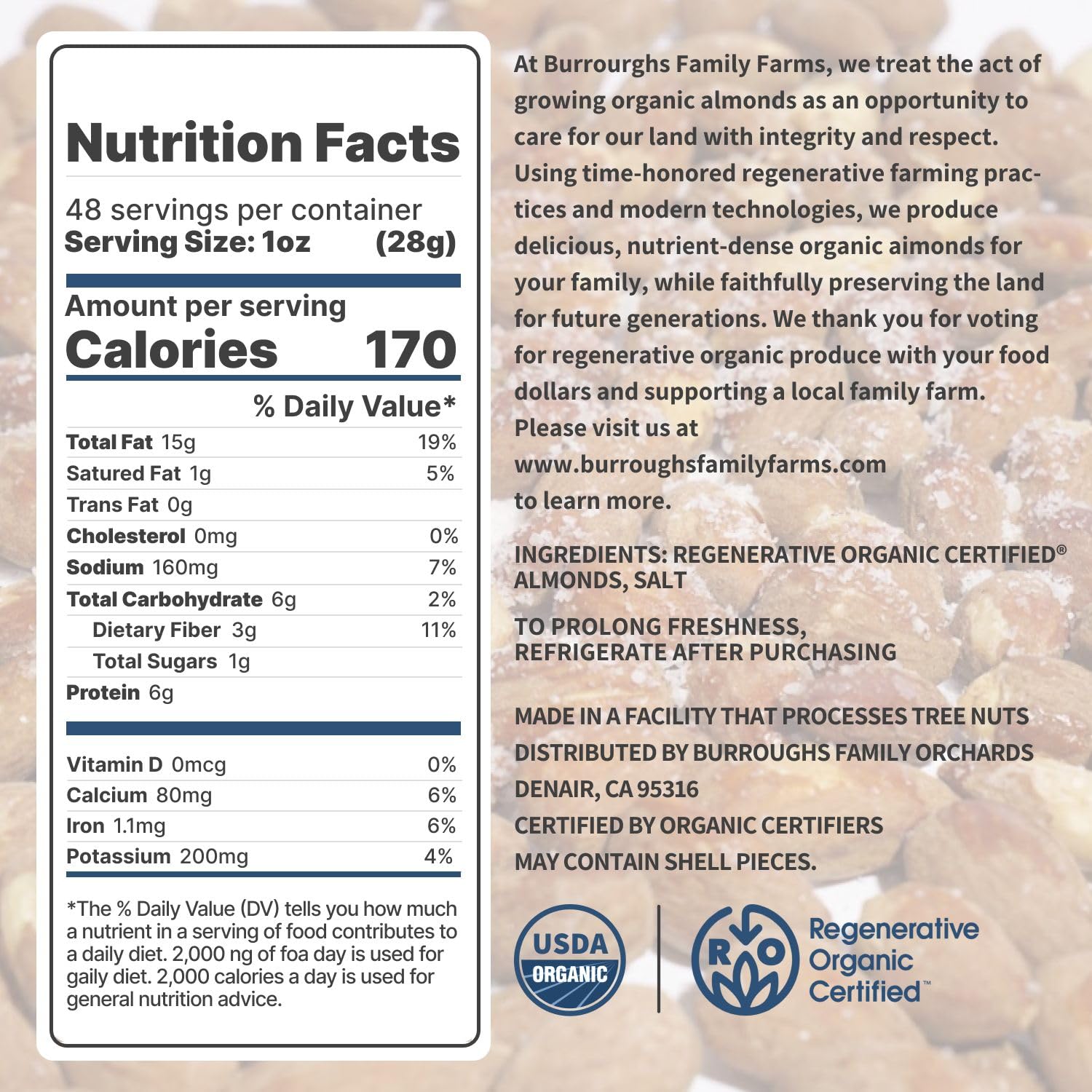
Pick up a can of almonds and you’ll see “dry roasted” or “oven roasted” on the label — sometimes both, sometimes neither. Those two words are doing a lot of work. Roasting simply means applying heat to a raw nut to drive out moisture, develop flavor compounds, and alter texture. But how that heat is applied — whether the almond sits in a hot oven surrounded by circulating air, or tumbles through a rotating drum with no added fat, or gets a brief flash of radiant heat on a conveyor belt — changes the finished product in ways that ripple through flavor, nutrition, shelf life, and ultimately price. If you’re buying almonds for snacking, gifting, or sourcing ingredients for a small-batch food operation, understanding the method behind the roast is the fastest way to stop guessing and start buying with intention.
What “Dry Roasted” Actually Means — and What It Doesn’t
The term “dry roasted” is regulated in a narrow sense: USDA Agricultural Research Service guidelines on nut processing specify that dry-roasted nuts must be roasted without the addition of oil or fat. That’s the legal floor. Everything else — temperature, time, drum speed, airflow — is up to the processor, and those variables matter enormously.
In commercial practice, dry roasting almost always means rotary drum roasting: the almonds tumble continuously in a large heated cylinder, usually at temperatures between 265°F and 320°F (130°C–160°C), for anywhere from 20 to 45 minutes depending on batch size and desired color. The tumbling action promotes even heat distribution and prevents scorching on one side.
Here’s the catch: “dry roasted” on a retail label tells you what wasn’t added, not how well the process was controlled. A low-cost commodity almond roasted at 320°F for 35 minutes in a large industrial drum and a small-batch artisan almond roasted at 275°F for 40 minutes in a boutique drum roaster can both legally carry the “dry roasted” label. Their flavor profiles will be miles apart. Serious Eats, in its Food Lab guide to roasting nuts, notes that the Maillard reaction — the browning chemistry that creates roasted flavor — is highly sensitive to temperature variance of even 10–15°F, which means processor discipline separates commodity from craft far more than the label does.
What to look for beyond the label: roast date (not just “best by”), origin of the almond (California’s Sacramento Valley versus generic “USA”), and whether the producer specifies variety. Nonpareil almonds, the dominant California commercial variety, roast differently than Mission or Butte varieties, which have higher skin-to-meat ratios and develop more bitter, complex notes at the same temperature.
Oven Roasted: The Term Processors Use When They Want to Sound Artisan
“Oven roasted” is not a regulated term. Any processor can use it. In practice, it usually means one of two things: (1) a conventional forced-air convection oven process, where almonds sit in a single layer on sheet pans or mesh belts moving through a tunnel oven; or (2) a marketing differentiator designed to evoke home-kitchen craft for consumers who associate “oven” with careful, small-batch cooking.
The actual thermal difference between a well-run drum roaster and a well-run convection tunnel oven is modest. What matters more is surface area exposure, moisture escape rate, and post-roast handling. Fine Cooking, in its guide to toasting nuts, observes that even heat and the ability to pull nuts quickly at the target color are the two most important variables regardless of vessel.
Where oven roasting genuinely differs is in texture. Because almonds in a convection oven aren’t tumbling, they develop a slightly more uniform exterior color but can vary internally depending on layer depth. Drum roasting, by contrast, produces more consistent internal doneness across the whole batch — a meaningful quality metric for large-volume buyers and gift-tier producers who need batch-to-batch consistency.
The shelf life question is real. The Institute of Food Technologists, in published research on thermal processing and lipid oxidation in tree nuts, documents that almonds roasted at higher temperatures — common in fast industrial drum processes — experience accelerated lipid oxidation post-roast. Translated: they go stale faster. Slower, lower-temperature roasting preserves more of the almond’s natural tocopherols (vitamin E compounds), which act as natural antioxidants. This is why craft producers who roast to order or in short runs with defined roast dates can justify premium pricing partly on freshness grounds — the slower roast creates a more stable product.
The Nutritional Tradeoffs: What the Research Actually Shows
Healthline’s overview of raw versus roasted nuts summarizes the core tension: roasting improves digestibility and flavor but can reduce some heat-sensitive nutrients. For almonds specifically, USDA Agricultural Research Service work on roasting effects on almond composition and antioxidant activity identifies the following:
- Vitamin E retention: approximately 90% at 265°F, falling to approximately 75% at 320°F over equivalent roast times
- Acrylamide formation (a processing byproduct): measurable above 285°F, increasing sharply above 300°F
- Fat content: unchanged by roasting — dry roasting adds zero calories from fat
- Protein digestibility: slightly improved by heat across all roasting methods
For a home pantry buyer, the nutritional delta between methods is small enough that flavor and freshness should drive the decision. For a food-product formulator or cottage processor incorporating roasted almond pieces into granola, nut bars, or trail mix, acrylamide levels matter — both for label transparency and for buyer specifications from larger retail partners. If your downstream buyer or retailer has a California Prop 65 acrylamide policy, you want to know your supplier’s roasting temperature profile. Ask for it.
Comparing Your Options: A Buyer-Tier Framework
Not every almond buyer has the same priorities. The three sections below walk through how roasting method, freshness signals, and price interact for each major buyer type. Each section ends with a tier marker so you can jump to the one that fits your situation.
Everyday Pantry Buyers: Bulk Suppliers and Grocery Staples
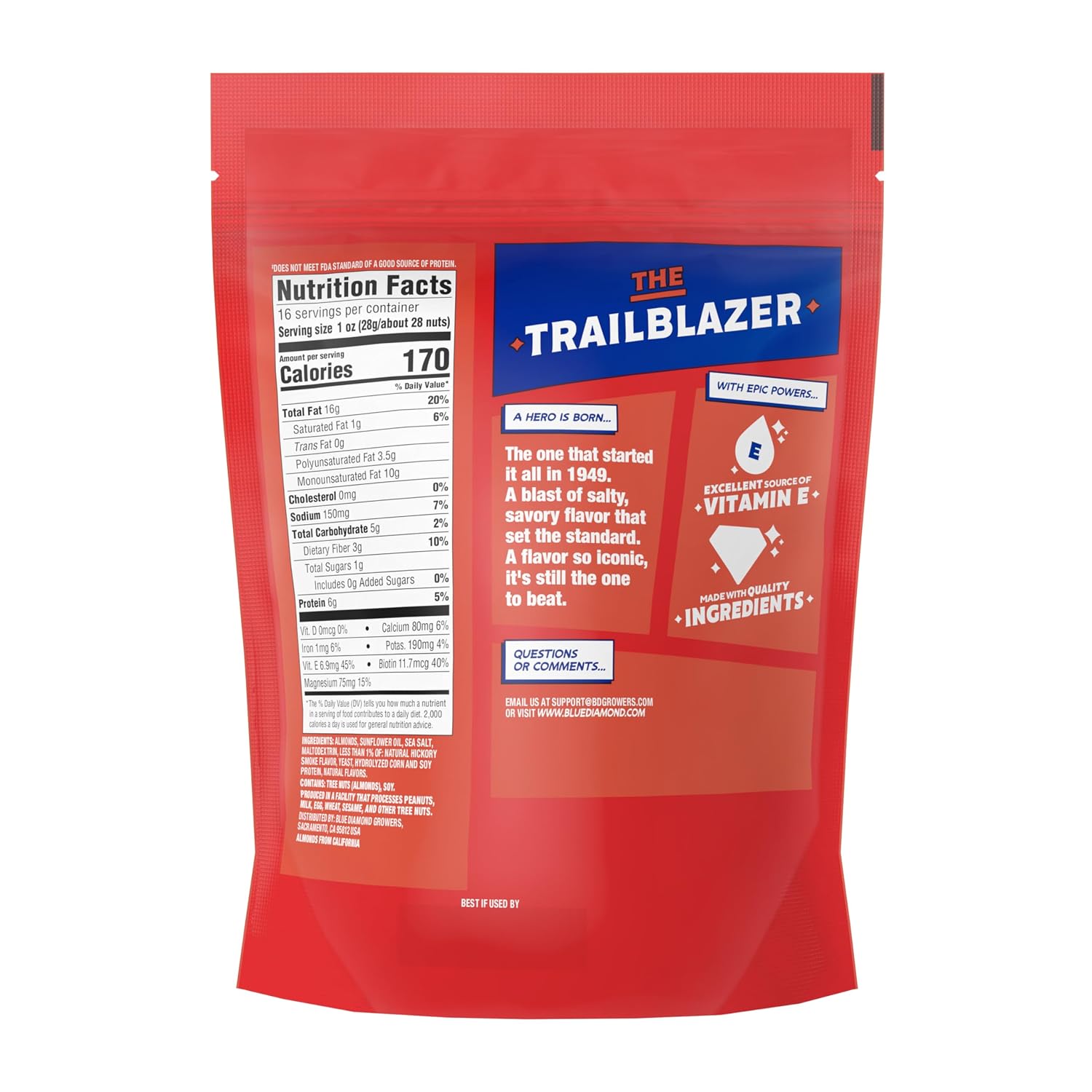
If you’re sourcing from a bulk online retailer or pulling a bag off a grocery shelf in the $8–$18 per pound range, the roasting method is almost certainly commercial-scale drum roasting. That’s fine — it’s a consistent, well-understood process. At this tier, what you control is storage: airtight container, away from light and heat, consumed within 90 days of opening. Healthline’s raw-versus-roasted overview notes that improper storage post-purchase degrades roasted nuts faster than the roasting method itself — temperature swings and oxygen exposure are the primary culprits at home. “Dry roasted, unsalted” from a reputable bulk supplier is the right default. A roast date on the packaging is a bonus worth seeking out; a “best by” date alone tells you very little about when the almonds were actually roasted.
Blue
$7.93
In stock on Amazon
Check price on AmazonSmall-Batch and Cottage Food Producers: Sourcing Pre-Roasted Almonds
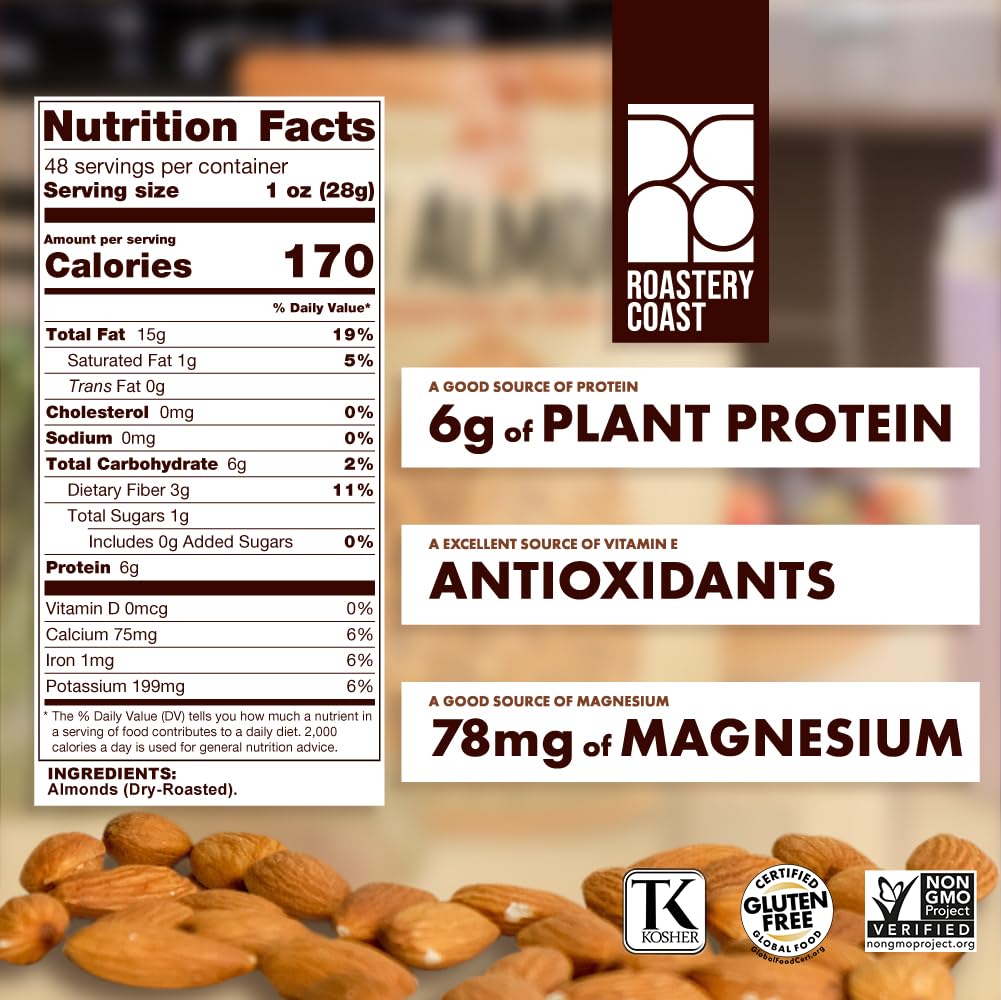
If you’re incorporating roasted almonds into a finished product — granola, nut bars, trail mix, baked goods — the roasting method affects your formulation in ways that a snacker never notices. Pre-roasted almonds with undisclosed time-temperature profiles can create batch inconsistency in finished products because oxidation state at delivery varies run to run. Ask your supplier for a roasting temperature specification before committing to volume. The target range for oxidative stability and acrylamide control, per USDA Agricultural Research Service research, is the 265°F–280°F band. Operators who want full control often source raw Nonpareil almonds and roast in-house — a home convection oven at 300°F for 12–15 minutes on a single layer is functionally an oven-roasted process, and Fine Cooking’s guide to toasting nuts provides a reliable visual doneness framework that translates well to small-batch production. For nut butters in this tier, producers such as Wilderness Poets and Barney Butter both state their roasting approach on their product and ingredient pages, which offers a useful competitive benchmark.
Roastery
$28.99
In stock on Amazon
Check price on AmazonGourmet Snackers and Gift Buyers: Premium Tins and Specialty Producers
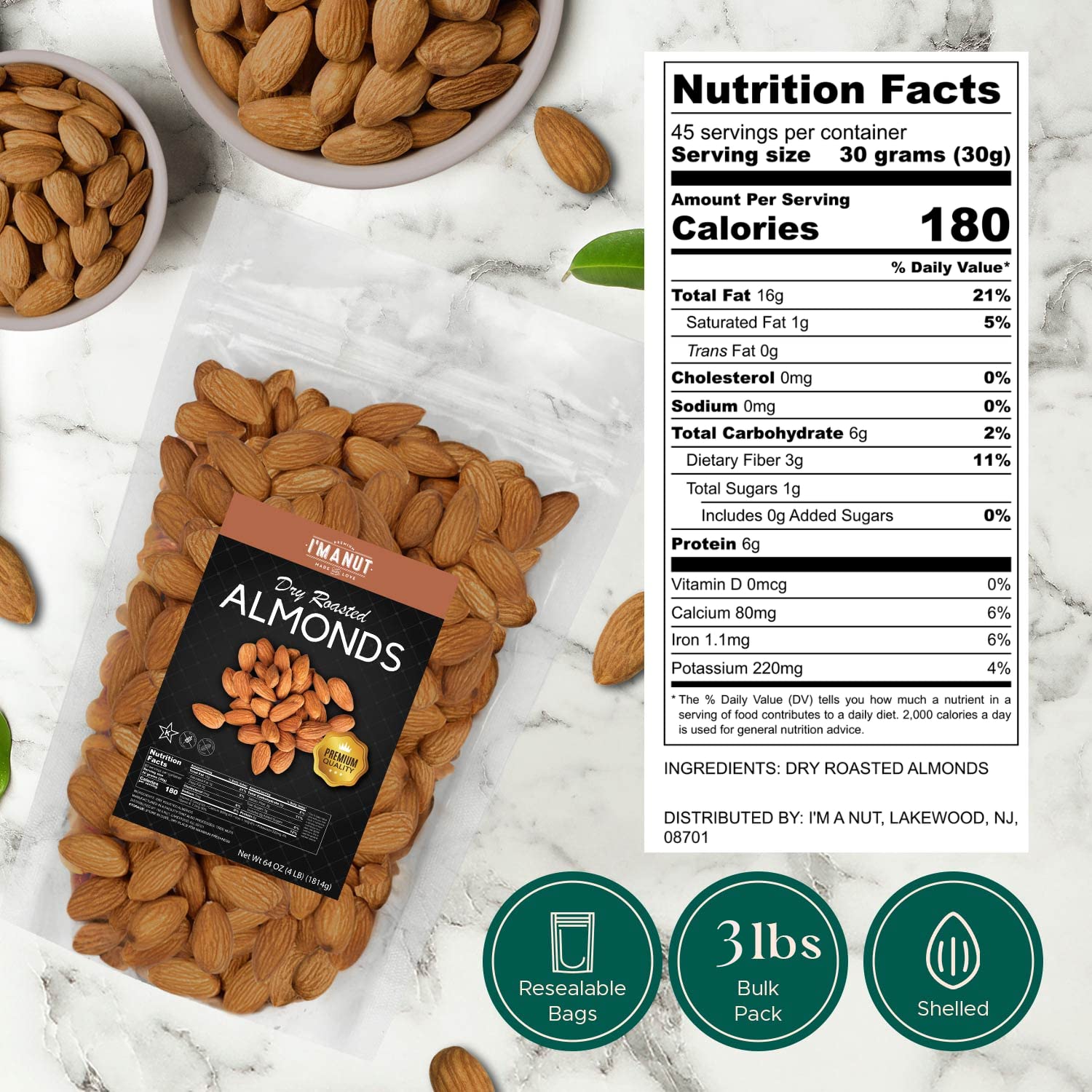
At the $30–$80 gift-tier price point, you are paying for demonstrable differentiation — or you should be. The signals that indicate genuine craft over marketing: a stated roast date (not just “best by”), a named almond variety (Nonpareil or Marcona rather than generic “California almond”), a named growing region, and a producer who publishes their roasting approach in enough detail to evaluate. Producers such as Fiddyment Farms describe their roasting process on product pages with enough specificity that a buyer can assess the claim rather than simply trust it. Paying $60 for a gift tin of “artisan dry-roasted almonds” without any of those signals is paying for brand and packaging as much as process. Paying the same for a stated Nonpareil variety, roasted within 30 days, from a named California growing region, is paying for traceable quality. The distinction matters most when gifting to a food-literate recipient who snacks intentionally. In this tier, “dry roasted” is a positive signal — no added oil means the almond’s own flavor carries the product, and the Serious Eats Food Lab guide to roasting nuts explains why that matters most when almond variety is high quality to begin with.
Dry
$34.45
In stock on Amazon
Check price on AmazonWhere Craft Producers Differentiate — and Whether the Premium Holds Up
The premium almond market has developed a legible vocabulary around roasting that is mostly honest. Terms like “slow-roasted,” “small-batch,” and “roasted to order” map to real process differences — lower temperatures, shorter time between roasting and packaging, tighter quality control on input almond grade. What the premium doesn’t always justify is variety-level vagueness. A premium price tag attached to an unnamed variety with no roast date is a flag, not a credential.
Craft nut butter is a related consideration for buyers evaluating both whole almonds and almond-based products. Wilderness Poets and Barney Butter both use roasted almonds as their base and are explicit about their roasting approach on their ingredient and process pages. For buyers benchmarking their own production against established premium products, those process notes are worth reading carefully.
The Institute of Food Technologists’ research on lipid oxidation also raises a practical point for anyone running a retail-facing food business: faster industrial roasting at high temperatures creates a product with a shorter usable shelf window, which has downstream consequences for how you spec delivery lead times and inventory turn. A slower roast from a craft supplier may cost more per pound and still be cheaper per unit of usable product once shrink and returns are factored in.
The Decision Rule
If you take nothing else from this guide, use this frame:
- If freshness and flavor are the primary criteria — for gifting, premium snacking, or retail-forward products — prioritize roast date and named variety over any method claim on the label.
- If you’re formulating a product and care about oxidative stability — ask your supplier for roasting temperature profile; lower and slower (265°F–280°F range) extends shelf life and reduces acrylamide, which matters for California retail compliance.
- If you’re buying everyday bulk almonds for home use — “dry roasted, unsalted” from a reputable supplier is the right default; store properly and consume within 90 days of opening.
- If a label says “oven roasted” without a roast date — treat it as a marketing term, not a quality guarantee, until additional evidence (variety, origin, producer reputation) supports the premium.
The method changes everything in theory. In practice, the method plus freshness plus variety equals the full picture — and most labels only give you one of the three.