If you’ve ever flipped a jar of nut butter to read the ingredient list and found palm oil, cane sugar, and a preservative you can’t pronounce, you already understand the appeal of the single-ingredient alternative. Single-ingredient nut butters contain exactly one thing: the nut itself, ground until it becomes a paste. No stabilizers to prevent oil separation, no sweeteners to smooth a rough edge, no fillers. The result is a product that tastes like the nut it came from—earthy, complex, sometimes a little funky in the best way—and delivers the full fat, protein, and micronutrient profile nature packed in. For pantry curators and specialty food shoppers who treat sourcing as a practice rather than a chore, these jars sit at the intersection of ingredient integrity and genuine flavor payoff. This guide compares the most-discussed craft single-ingredient options by nut type, brand, value, and practical use case—so you can make a confident decision before you commit to a $20-plus jar.
What “Single-Ingredient” Actually Means on a Nut Butter Label
The phrase sounds definitive, but it has real nuance worth understanding before you spend money on it.
A true single-ingredient nut butter will list only the nut—no salt, no oil added, nothing else. Salt is the first additive most brands introduce, and while many consumers consider lightly salted nut butters acceptable, it’s technically a two-ingredient product. The distinction matters if you’re managing sodium intake, building recipes where salt is a controlled variable, or if ingredient integrity is a non-negotiable value for your pantry.
Raw versus roasted is the second axis. Raw single-ingredient nut butters are made from unroasted nuts; roasted versions develop Maillard-reaction flavor compounds during heat treatment before grinding. Neither is more “pure” by definition—both can be legitimately single-ingredient—but the flavor profiles diverge significantly, and some producers offer both.
Finally, there’s the question of nut sourcing. Single-ingredient doesn’t automatically mean high-origin or heirloom. A mass-market brand can produce a single-ingredient product using commodity-grade nuts, while a craft producer sources explicitly from specific growing regions and uses organic certification as a baseline. That upstream sourcing difference isn’t visible in the ingredient count, which is why brand provenance matters even within the single-ingredient category.
Serious Eats, in their roundup titled “The Best Nut Butters,” notes that oil separation—the layer of fat that rises to the top of a no-stabilizer jar—is a sign of legitimacy, not a defect. If your jar never separates, something is holding it together that isn’t on the label.
By the Numbers
| Nut Type | Avg. Craft Price per Oz. (2026) | Protein per 2 Tbsp | Fat per 2 Tbsp | Primary Flavor Note |
|---|---|---|---|---|
| Peanut | $0.55–$0.80 | 7–8 g | 16 g | Roasty, savory |
| Almond | $0.90–$1.30 | 6–7 g | 18 g | Mild, slightly sweet |
| Cashew | $1.10–$1.60 | 5 g | 14 g | Creamy, buttery |
| Walnut | $1.20–$1.80 | 4–5 g | 18 g | Bitter, complex |
| Macadamia | $2.00–$3.50 | 2 g | 22 g | Rich, fatty, delicate |
Pricing reflects specialty food retail and direct-to-consumer channels as of mid-2026. Healthline, in their article titled “Almond Butter vs. Peanut Butter: Which Is Healthier?,” confirms the general macronutrient ranges across nut types that inform this table.
Brand-by-Brand Breakdown: Where the Value Actually Lives
The brands below represent the most defensible options at each price tier as of 2026. Each section is organized by tier so you can navigate directly to the price range that fits your pantry budget.
Once Again Nut Butter — Best Budget Single-Ingredient Option
Once Again operates as a worker-owned cooperative producing USDA organic, single-ingredient nut butters at a price point that undercuts most of the craft field. Their unsweetened, salt-free peanut butter and almond butter are both legitimately one-ingredient products, sourced organically, and priced at $10–$14 for a 16-ounce jar.
Reviewers across specialty food channels consistently flag Once Again as the best value in the segment—the gap between their price and their ingredient quality is wider than almost any competitor. The texture is looser and requires thorough stirring; the flavor is straightforwardly nutty without much complexity. This is a workhorse product, not a showcase jar. The cooperative ownership model and organic certification make it the easiest recommendation for high-volume household use where ingredient purity is the primary filter.
Healthline, in their guide titled “Is Peanut Butter Good for You?,” notes that natural, additive-free peanut butters deliver the most complete nutritional profile of any format—a point Once Again’s products satisfy without debate.
Best for: High-volume household use, bulk pantry restocking, cost-conscious buyers who won’t compromise on ingredient purity.
Justin's
$10.59
In stock on Amazon
Check price on AmazonBarney Butter and Wilderness Poets — Best Mid-Tier Single-Ingredient Options
These two brands occupy adjacent territory in the mid-tier but approach the single-ingredient almond and cashew category from opposite directions.
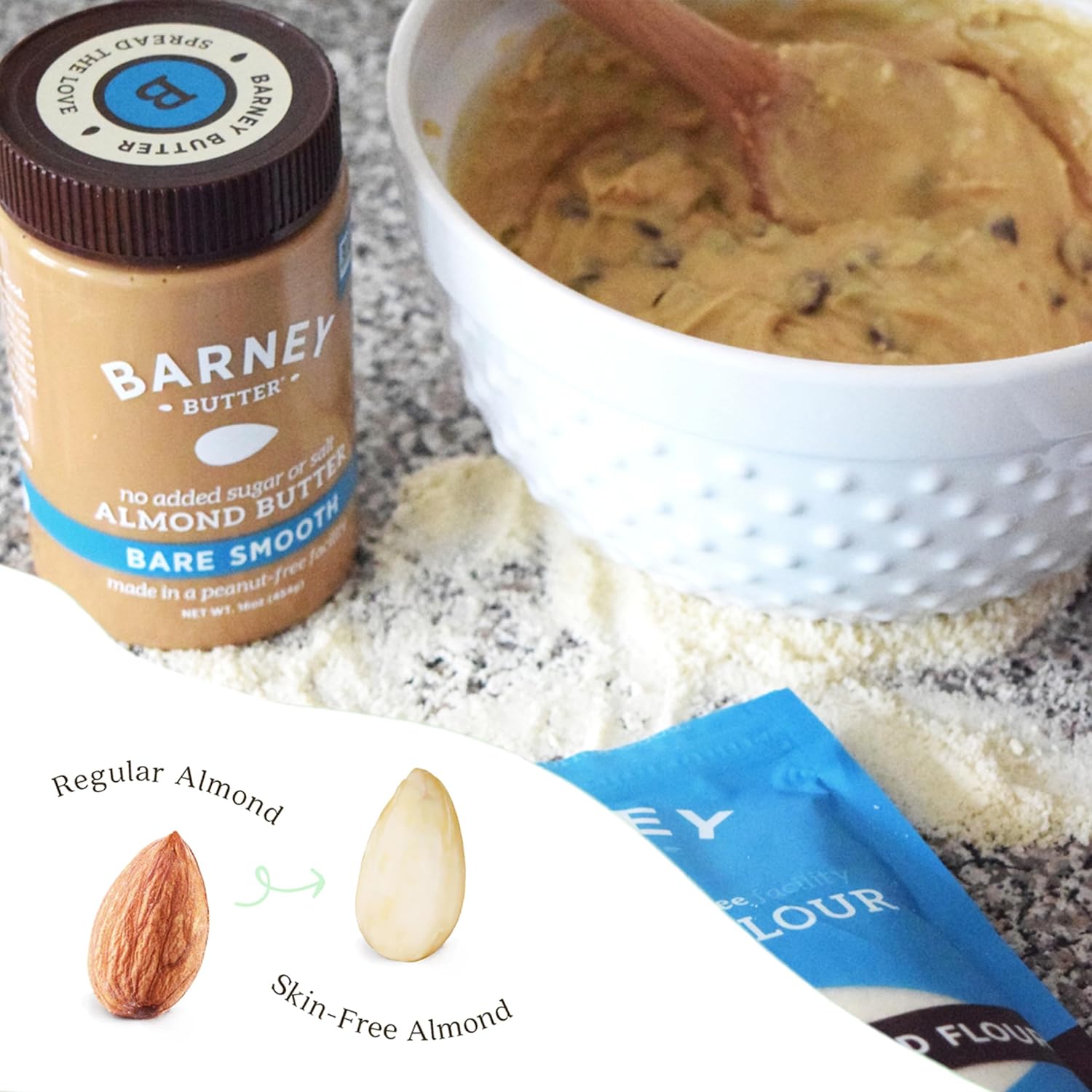
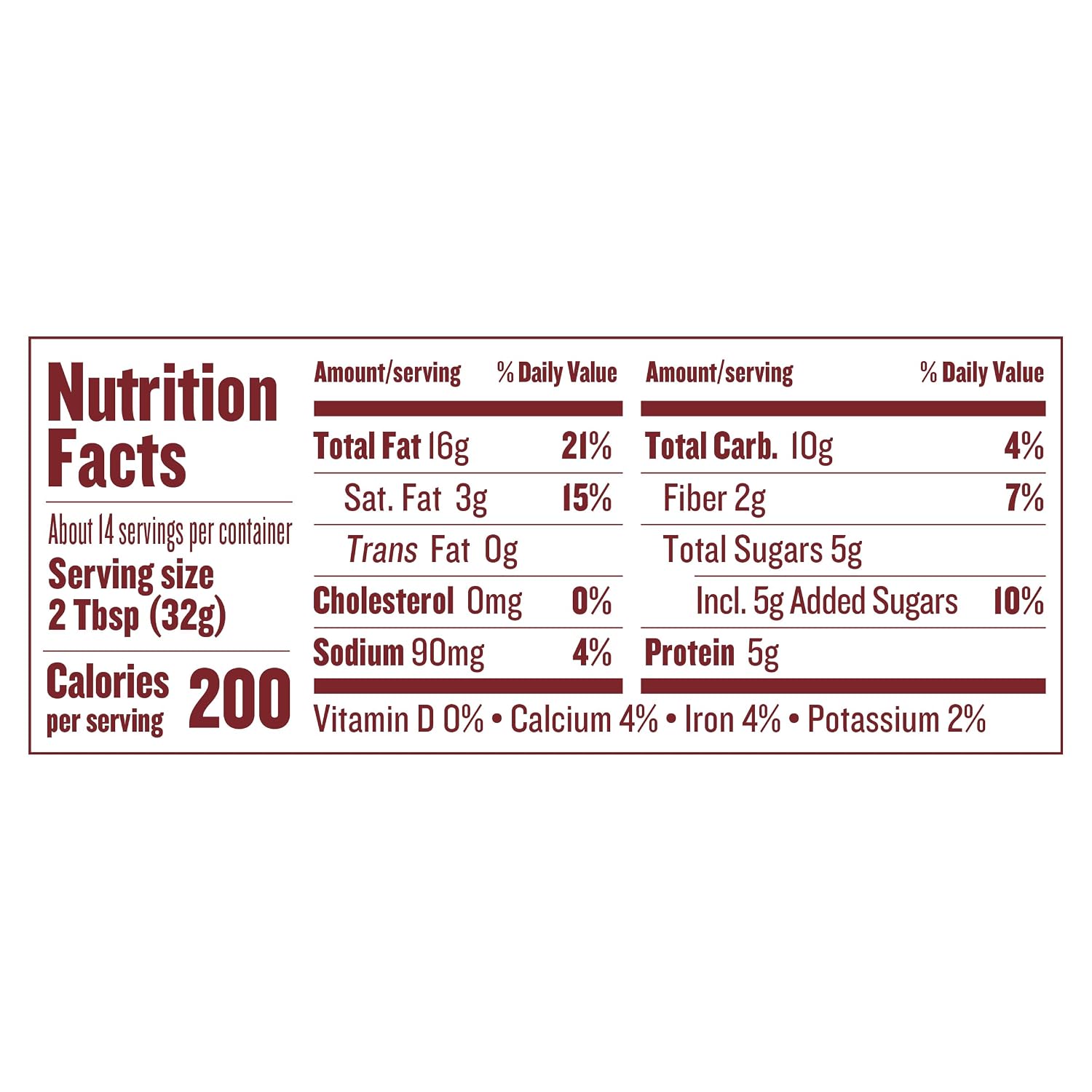
Barney Butter is the most accessible craft-adjacent option in this comparison. Their Bare Smooth and Bare Crunchy almond butters are single-ingredient (almond, nothing else), blanched to remove the skin, and processed to a commercial-grade smooth texture that doesn’t require stirring. The blanching step removes some of the tannin-driven bitterness that can make whole-almond butters polarizing, resulting in a milder, more approachable flavor. Food & Wine, in their piece titled “Best Almond Butters, Tested and Reviewed,” highlights Barney Butter’s consistency and spreadability as standout attributes for everyday use. At $13–$16 for a 16-ounce jar, it’s the most price-competitive entry in the single-ingredient almond category. The tradeoff is that blanching removes the almond skin, which carries a modest fiber and polyphenol load—a relevant consideration if nutritional completeness is part of your sourcing logic.
Wilderness Poets takes the opposite approach: raw processing, certified organic, and origin-transparent sourcing. Their raw almond butter and raw cashew butter are genuinely single-ingredient and made from nuts sourced with documented provenance. The raw processing means you’re getting the mildest, least-roasted expression of each nut—useful in smoothies, sauces, and raw desserts where a roasty note would compete. Owners consistently report that the texture skews slightly coarser than commercial almond butters, with a more pronounced oil separation that requires a thorough stir. At roughly $22–$28 per 16-ounce jar through specialty retailers and direct channels, Wilderness Poets sits at the upper edge of this tier. The price premium over commodity almond butter is real—you’re paying for certification, sourcing narrative, and a flavor profile that skews toward the ingredient rather than the processed result.
Best for: Barney Butter suits everyday use and buyers transitioning from conventional nut butter; Wilderness Poets suits raw applications and ingredient-integrity-first buyers.
Artisana
$13.23
In stock on Amazon
Check price on AmazonArtisana Organics and Fiddyment Farms — Best Premium Single-Ingredient Options
At the premium end of the single-ingredient category, two brands occupy nearly unchallenged territory for distinct reasons.
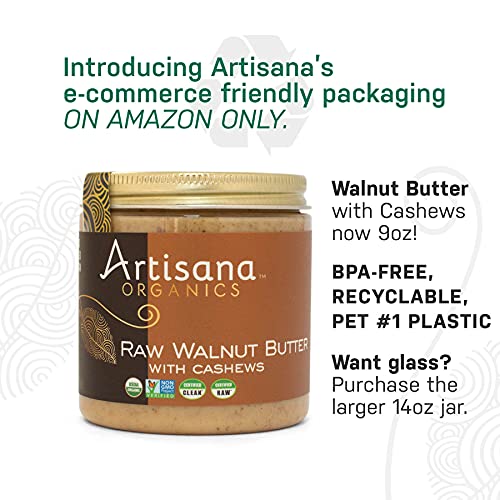
Artisana Organics is the brand most frequently cited in specialty food circles for pushing single-ingredient logic to its furthest expression. Their raw cashew butter and raw walnut butter are made from raw, organic nuts with zero additives—and the walnut butter in particular sits in a category nearly alone. Walnut butter is rare even in the craft segment because walnut fat oxidizes quickly, making shelf stability a genuine production challenge. Bon Appétit, in their feature titled “The Case for Nut Butters Beyond Peanut,” highlights walnut butter’s unique bitter, complex flavor profile and its strong performance in savory applications—dressings, grain bowls, meat glazes—where sweetness would be counterproductive. Artisana’s walnut butter runs $18–$24 for 8 ounces, making it the highest per-ounce price among widely available options in this comparison. Owners consistently note the short shelf life after opening (3–4 weeks refrigerated) as the primary constraint on use.
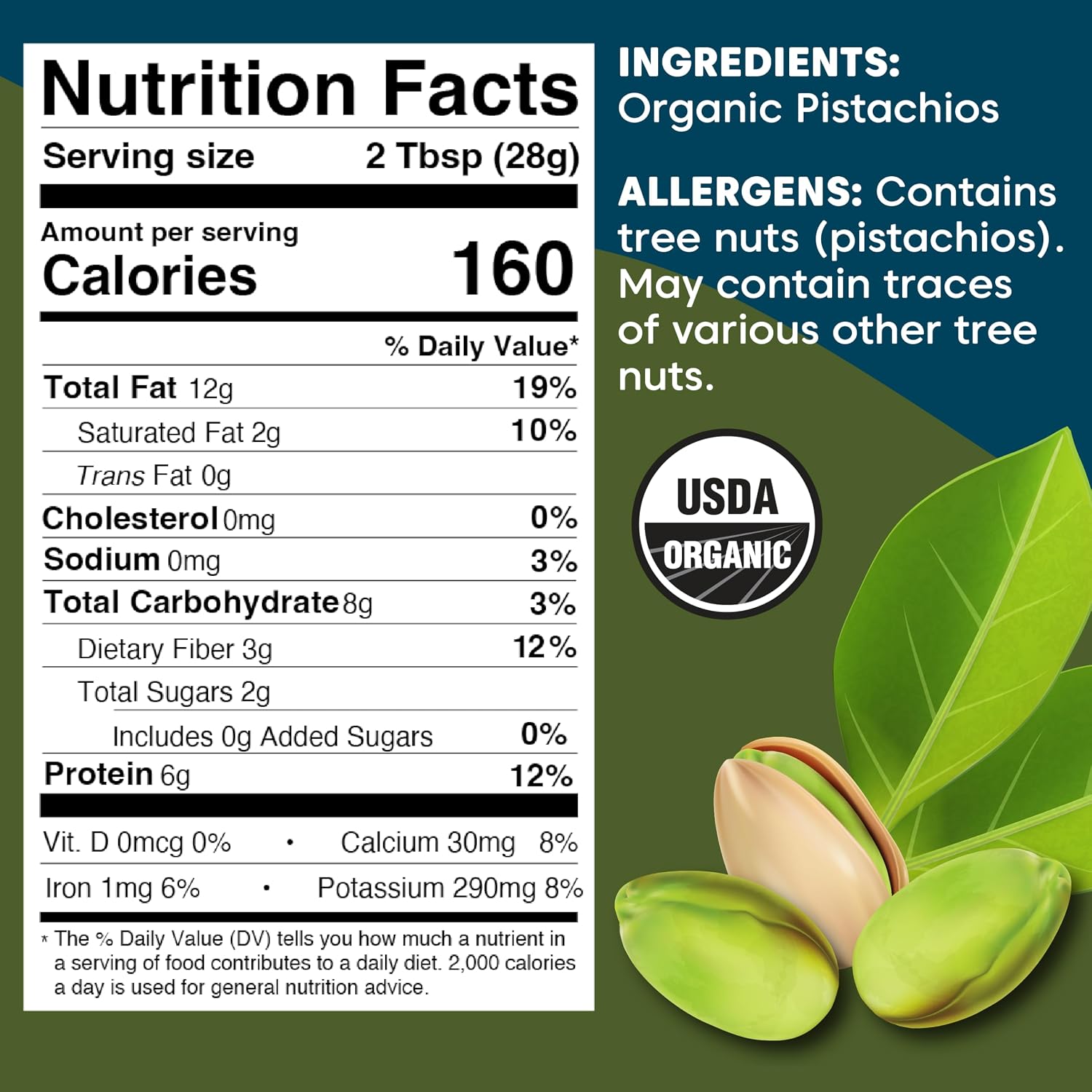
Fiddyment Farms, a Sacramento Valley producer known primarily for roasted pistachio products, has expanded into nut butter with a pistachio butter that deserves serious attention from pantry curators. Their pistachio butter is a single-ingredient product made from California-grown pistachios, carrying a vivid green color and a roasted, savory-sweet flavor that has no real equivalent in the mainstream market. At $30–$40 for a 12-ounce jar, it’s a luxury-tier purchase. Reviewers at specialty food outlets consistently position it as a gift-worthy product rather than an everyday pantry staple—the flavor is distinctive enough to anchor a cheese board or upscale toast preparation, but the price point makes routine use impractical for most buyers. As a single-origin, single-ingredient showcase of a specific nut grown in a specific region, it represents one of the strongest arguments in the category for terroir-driven nut butter.
Best for: Artisana walnut butter for adventurous pantry builders and savory cooking; Fiddyment Farms pistachio butter for gift sets and single-origin showcases.
Wilderness
$22.30
In stock on Amazon
Check price on AmazonThe Practical Decision Frame: If X, Then Y
This category has enough good options that the wrong question is “which is best?” The right question is “best for what?” Here’s a clear decision matrix based on use case and budget:
If you want everyday reliability at honest ingredient standards: Once Again Nut Butter’s organic peanut or almond butter is the answer. It’s the most cost-per-ounce-efficient single-ingredient option in the market, the ingredient purity is verifiable, and it performs well in any recipe context.
If texture and accessibility matter as much as purity: Barney Butter’s blanched almond butter gives you the single-ingredient credential without the stirring friction or the tannin edge. It’s the gateway product for buyers who aren’t yet convinced the category is worth the premium.
If raw processing and organic sourcing are non-negotiable: Wilderness Poets is the clearest choice in that specific lane, particularly for almond and cashew. Serious Eats, in their roundup titled “The Best Nut Butters,” emphasizes that raw, no-additive products require the most active storage management—stir before each use, refrigerate after opening—and Wilderness Poets buyers report the best results when they treat the jar accordingly.
If you’re building a gift set or showcase pantry: Fiddyment Farms pistachio butter and Artisana walnut butter are your anchors. Both are genuinely unusual, both are legitimately single-ingredient, and both will read as considered choices to any recipient who knows the category.
If you want to push into uncommon culinary territory: Artisana’s walnut butter is the most culinarily interesting product in this comparison. The short shelf life is the real constraint—plan to use it within a month of opening and store it refrigerated from day one.
One practical note that applies across all of these: single-ingredient nut butters benefit from refrigeration after opening to slow fat oxidation, particularly for walnut and cashew varieties. Healthline, in their article titled “Is Peanut Butter Good for You?,” recommends refrigeration for any no-stabilizer product after the jar is cracked. This isn’t a quality defect—it’s the cost of the tradeoff you made when you chose the product without preservatives.
The Bottom Line
Single-ingredient nut butters are a category where the label claim is actually testable—oil separation, ingredient list, and flavor complexity are all honest proxies for what’s really in the jar. The brands above are the most defensible options at each price tier as of 2026. The premium over conventional nut butter is real, and so is the payoff: a product that tastes like the nut it came from, without any of the industrial smoothing that makes most supermarket alternatives forgettable.
Decide your use case first, then match the brand to it. The math is straightforward once you know what you’re optimizing for.